Frequently Asked Questions
Product Understanding
Q: How is this different from store-bought kefir or yogurt?
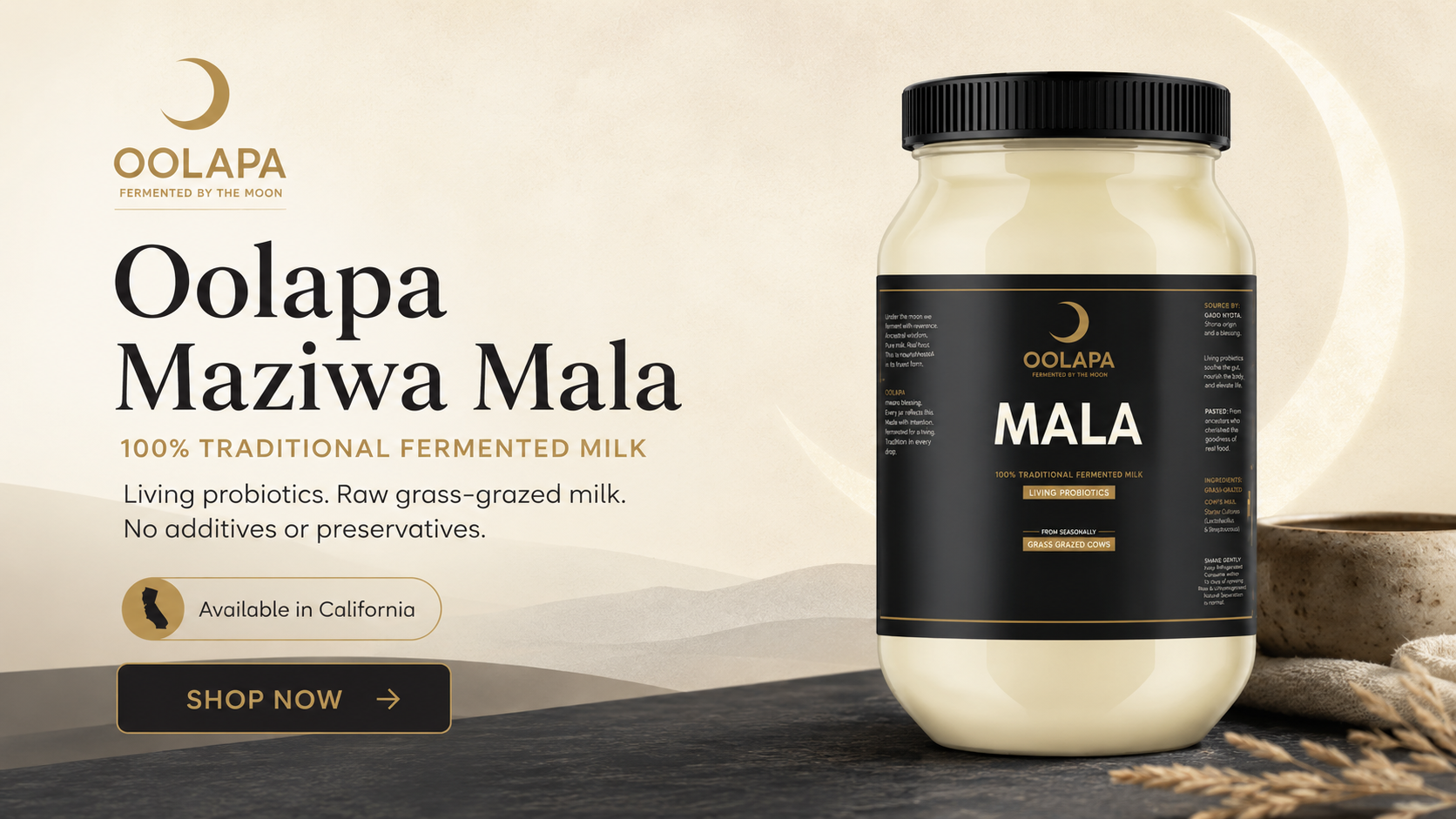
A: Commercial kefir and yogurt are made from pasteurized milk with added commercial cultures and fermented for 10-48 hours total. Oolapa uses raw milk, no added cultures, and ferments for 1 week to 2+ months using traditional African methods with charcoal fermentation. The result is completely different in flavor, probiotic diversity, and complexity.
Q: How long is it fermented?
A: Our fermentation starts becoming ready at 36-48 hours, with stages at 1 week, 2 weeks, 1 month, and 2+ months. Each stage develops different flavor profiles and probiotic complexity. We follow traditional timing where fermentation is measured in moon cycles, not hours.
Q: What is charcoal fermentation?
A: Traditional African fermentation uses activated charcoal from hardwood during the fermentation process. The charcoal acts as a natural purifying agent while the milk ferments. It is removed after fermentation is complete, leaving no residue—only purified, fermented milk.
Q: Why does it continue fermenting after I buy it?
A: This is a living product with active beneficial bacteria that continue developing. You can refrigerate to slow fermentation for milder flavor, or keep at room temperature to allow continued transformation and probiotic development.
Q: Can I choose how long it's been fermented?
A: Yes! We offer different fermentation stages—from 1 week (milder, bright) to 2+ months (intensely tangy). You can also try our Tasting Flight with multiple ages to discover which stage you prefer.
Taste & Consumption
Q: What does it taste like at different stages?
A: The flavor evolves throughout fermentation:
- 1 week: Bright, tangy, mild—gentle introduction
- 2 weeks: More pronounced tang, developing character
- 1 month: Deep, robust tang with complexity
- 2+ months: Intensely tangy (tangynism)—maximum probiotic development
Q: How much should I drink per day?
A: Start with 2-4 oz daily and listen to your body. As a living probiotic food with weeks to months of fermentation, a little goes a long way. Many customers enjoy 4-8 oz daily.
Q: Can I cook with it or add it to smoothies?
A: Yes! Though heat will kill the live probiotics. Best enjoyed raw—plain, with honey, or in cold preparations like overnight oats or salad dressings.
Q: What should I pair it with?
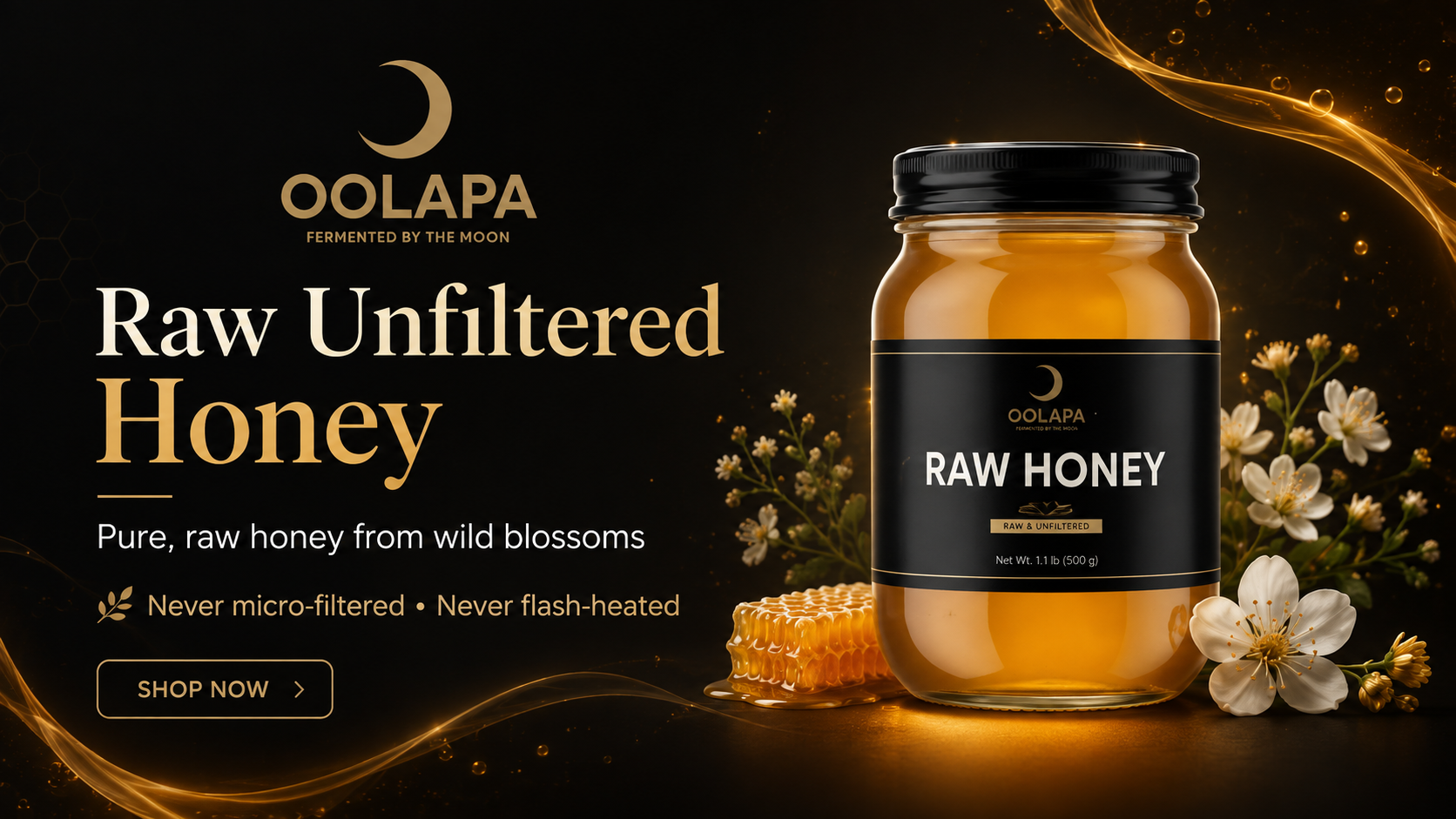
A: Raw honey is the most traditional pairing, balancing tang with natural sweetness. Also excellent with fermented breads like injera (Ethiopian teff flatbread) or sourdough made from traditional grains like sorghum or millet. Often consumed plain with meat, honoring African ancestral food practices.
Q: Can I use it as a meal replacement?
A: Yes! Fermented milk has been used as a complete meal in traditional pastoral communities for thousands of years. Rich in protein, healthy fats, and living probiotics, it provides substantial nutrition. In the Maasai Reset protocol, fermented milk is consumed as part of meals alongside meat and other animal-based foods. Start with 8-16 oz and listen to your body—many find it deeply satiating.
Storage & Shelf Life
Q: How should I store it?
A: Keep refrigerated. Do not freeze. Always use a clean spoon and close lid immediately after use.
Note: Oolapa Maziwa Mala is a living product—beneficial bacteria continue developing even in the refrigerator, though at a slower rate. Refrigeration slows fermentation for a milder, mellower taste while maintaining product quality and safety.
Q: How long does it last?
A: The product continues to transform over time due to its low pH and active cultures. Unopened: several weeks. Opened: consume within 2-3 weeks for best quality. The acidic environment provides natural preservation.
Q: What if I see separation or liquid on top?
A: This is normal whey separation—a natural part of fermentation. Simply stir it back in before consuming.
Sourcing & Quality
Q: Where does your milk come from?
A: We source raw, grass-grazed cow's milk from a family-owned California dairy committed to regenerative practices and the highest quality standards.
Q: What does "grass-grazed" mean?
A: Cows graze on pasture year-round (weather permitting), eating their natural diet of grass rather than grain. This produces milk with superior nutrition, flavor, and natural bacteria diversity essential for traditional fermentation.
Q: Is this safe to consume?
A: Extended fermentation significantly lowers pH, creating an acidic environment. We source from a family-owned California dairy that's regularly tested per state requirements.
Health & Dietary
Q: What are the probiotic benefits?
A: Extended wild fermentation over weeks and months creates diverse beneficial bacteria that support gut health and digestion. Unlike commercial products with 2-10 added strains, wild fermentation develops dozens of naturally occurring bacterial strains through the fermentation process.
Q: Is it lactose-free?
A: No, but extended fermentation reduces lactose content significantly. Some lactose-sensitive individuals tolerate long-fermented dairy better than fresh milk. Start small and observe how your body responds.
Q: Does it contain allergens?
A: Contains: Milk. Ingredients: Raw milk. That's it—nothing else added.
Pricing & Value
Q: Why is it more expensive than store-bought kefir?
A: Raw grass-grazed milk is significantly more expensive than conventional milk. Add weeks to months of fermentation time, small-batch artisanal production, traditional methods, and glass bottles. You're paying for a completely unique product with unmatched quality and ancestral authenticity.
Q: What sizes do you offer?
A:
- 4 oz - Sample size, perfect for first-time tasting
- 8 oz - Single serving size
- 16 oz - Two servings, great for couples
- 24 oz - Family size, best value per ounce
Sustainability & Returns
Q: Can I return the glass packaging after use?
Yes! We encourage returning clean glass jars for reuse—it reduces waste and honors sustainable practices.
How to return:
- Rinse with boiling water to disinfect, OR use fragrance-free dish soap only (we recommend Seventh Generation Free & Clear)
- Close the jar and return it at your next pickup or delivery
- We'll sanitize all returned jars in our commercial facility before reuse
Important: Avoid fragranced soaps—fragrances are toxic and can affect the quality of future batches fermented in returned jars.
We'll provide a small credit toward your next purchase for each jar returned.
Founding Members Program
Q: What's included in the Founding Members program?
A: Starting January 2026, founding members receive:
- Weekly deliveries of fresh fermented raw milk
- Choice of fermentation stages (1 week to 2+ months)
- Exclusive member pricing
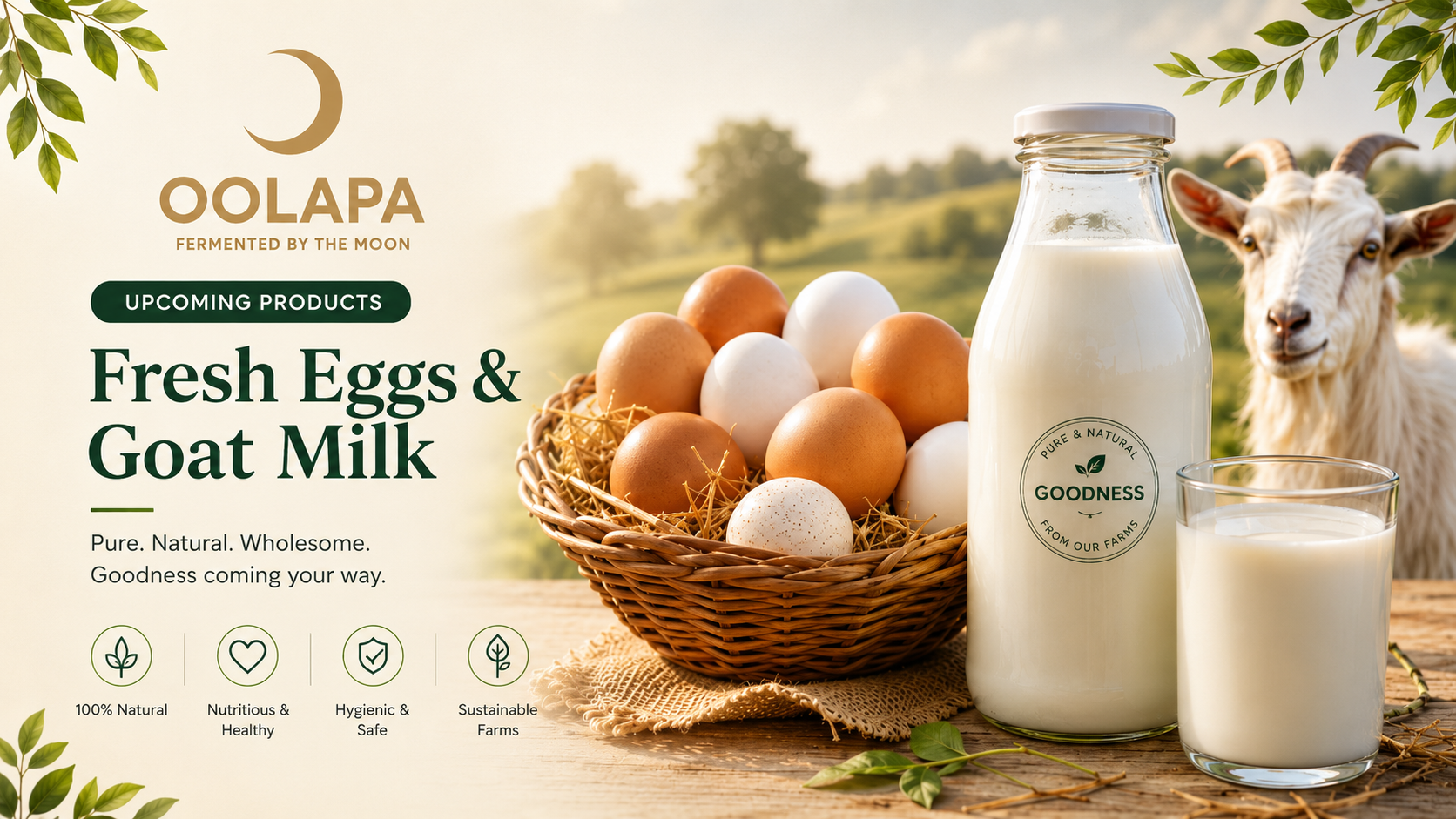
- First access to new products (raw honey coming soon)
- Direct connection to our fermentation process
- Limited to 20 founding members