Kalenjin
Rift Valley · Mursik
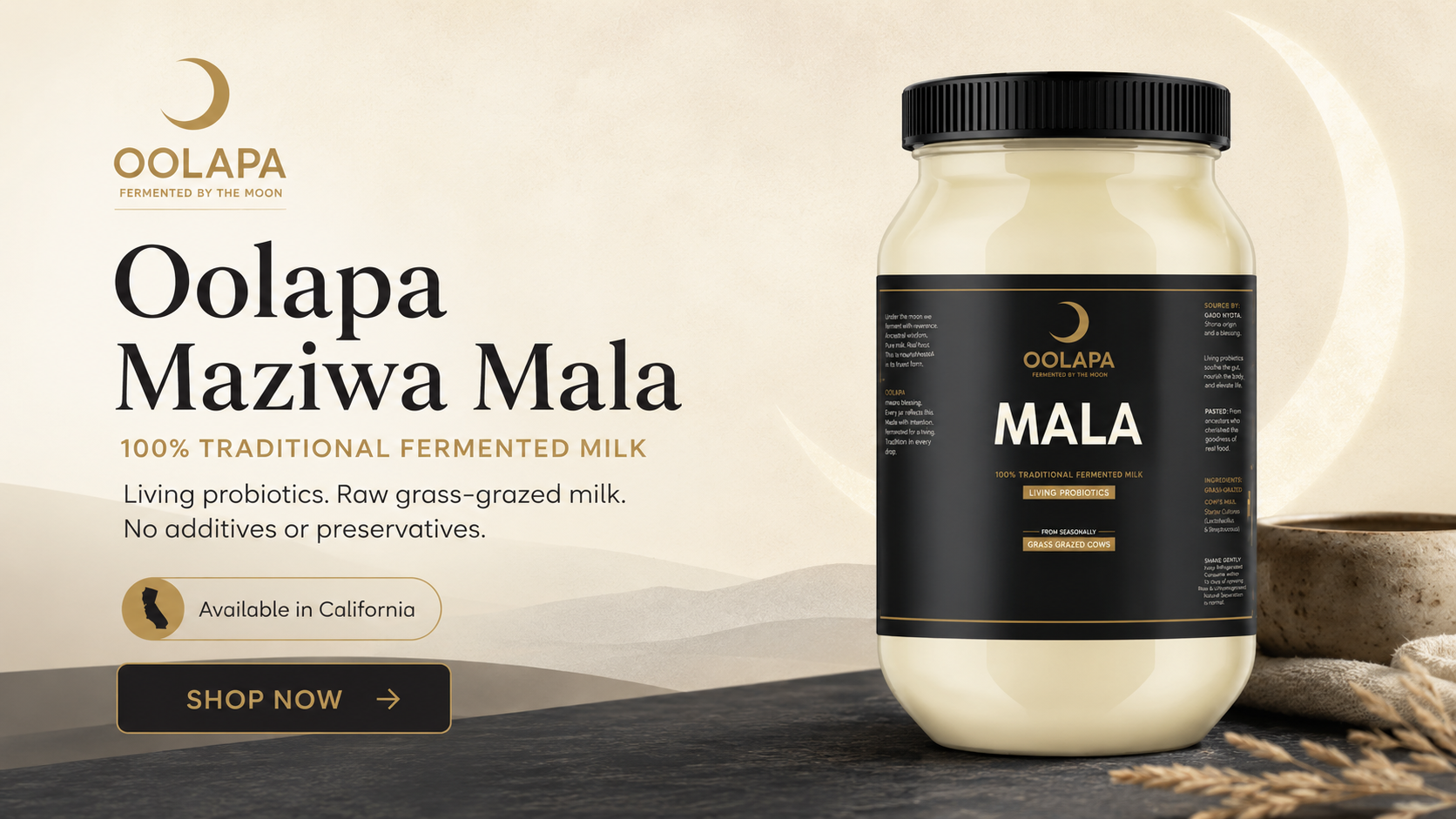
Among the Kalenjin of the Rift Valley, this became Mursik, milk fermented for three to seven days in a gourd called a sotet. The gourd is prepared first, its interior lined with charcoal from specific trees, most often Senna didymobotrya. That charcoal does two things at once: it slows the growth of harmful bacteria, and it gives the finished milk a faint smokiness and a distinctive blue tinge that Kalenjin households have prized for centuries. The tradition runs deep enough that mursik is still served at weddings and rites of passage, and poured for runners returning home with medals, a small ritual tying Kenya's most famous athletes back to a 300-year-old practice.
Fermented foodMursik
VesselSotet gourd
Typical timeThree to seven days